Where a Band Comes From: Sepultura's Brazil and The Marías' Two Languages
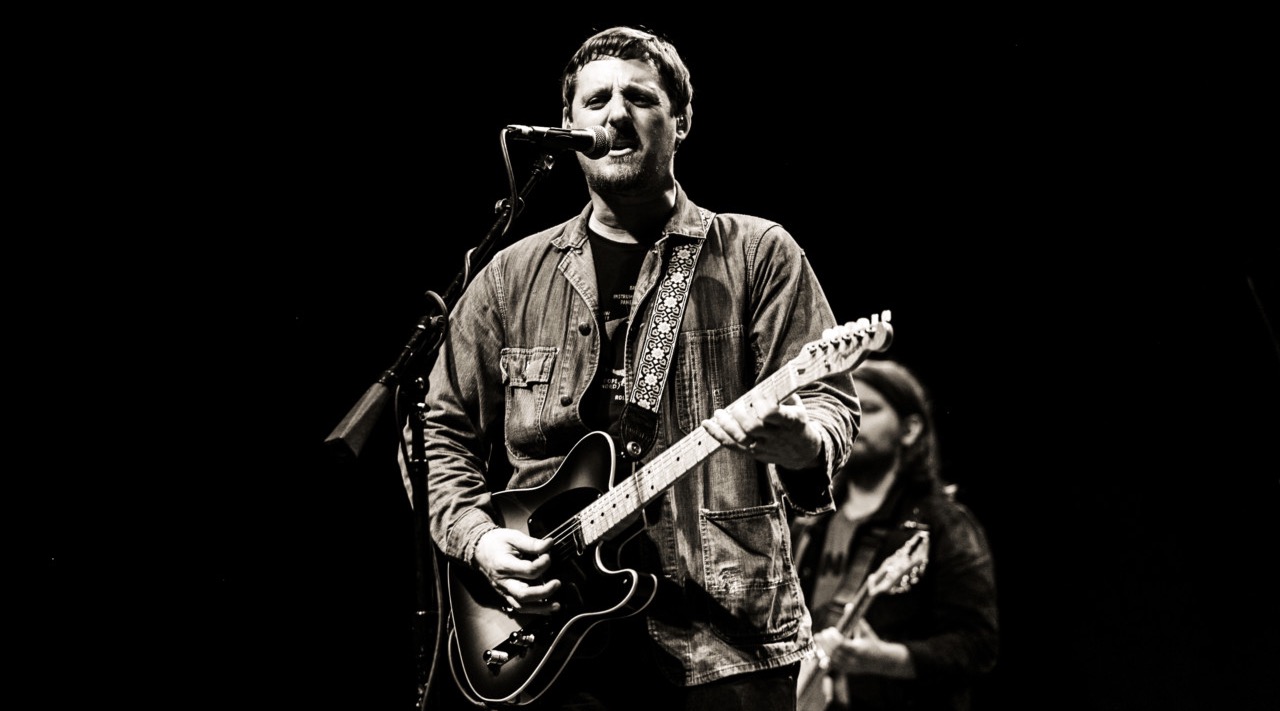
Some band names are a whole biography. Sepultura is Portuguese for "grave", a word Max Cavalera picked while translating the lyrics of Motörhead's "Dancing on Your Grave". The Marías comes from the band's singer, María Zardoya. One name points to a language, the other to a person, and both tell you something true about the music before you hear a note.
This piece looks at two very different bands whose roots run straight through their records: where they started, the albums that mark the way, and the designs that wear those stories well. If you are choosing something for yourself or for someone who loves one of them, it should help you pick.
Who are Sepultura, and why does Brazil matter so much?
Sepultura formed in 1984 in Belo Horizonte, in the Brazilian state of Minas Gerais, started by brothers Max and Igor Cavalera. They are a heavy metal band at heart, mostly groove, thrash and death metal, with alternative metal creeping in on later records.
The catalogue is long and specific. Fifteen studio albums, from Morbid Visions in 1986 to Quadra in 2020. A few landmarks worth knowing:
- Schizophrenia (1987) and Beneath the Remains (1989): the fast, raw thrash years.
- Chaos A.D. (1993): heavier, slower, more groove.
- Roots (1996): an album whose very title says where the band's head was.
- Against (1998): the first record with Derrick Green on vocals, after Max Cavalera left in 1996.
- Quadra (2020): the most recent studio album.
The line-up has changed over four decades. Today it is Paulo Jr. on bass, from the founding-member era; Andreas Kisser on guitar, in the band since 1987; Derrick Green on vocals since 1997; and Greyson Nekrutman, the American drummer who played his first show with them on 1 March 2024 after Eloy Casagrande left.
What ties it together is the name and the place. A Portuguese word, a city in Minas Gerais, and album titles that keep coming back to roots and chaos.
Which Sepultura designs carry that story?
The Sepultura range leans on the band's own album names and its logo glyph, the band's S mark. A few that stand out:
- Red Roots Portrait: a painted portrait of a man in a feather headdress and body paint against red branches, under the Sepultura wordmark.
- Chaos A.D. Hands: gold and blue artwork of a wrapped figure above reaching hands, with the name in gold.
- Schizophrenia: a screaming figure in a straitjacket before a purple monster face, named for the 1987 album.
- 40 Albums Badge: a round badge with the glyph, a red 40 and a ring of album names around the edge, a neat way to wear the whole discography at once.
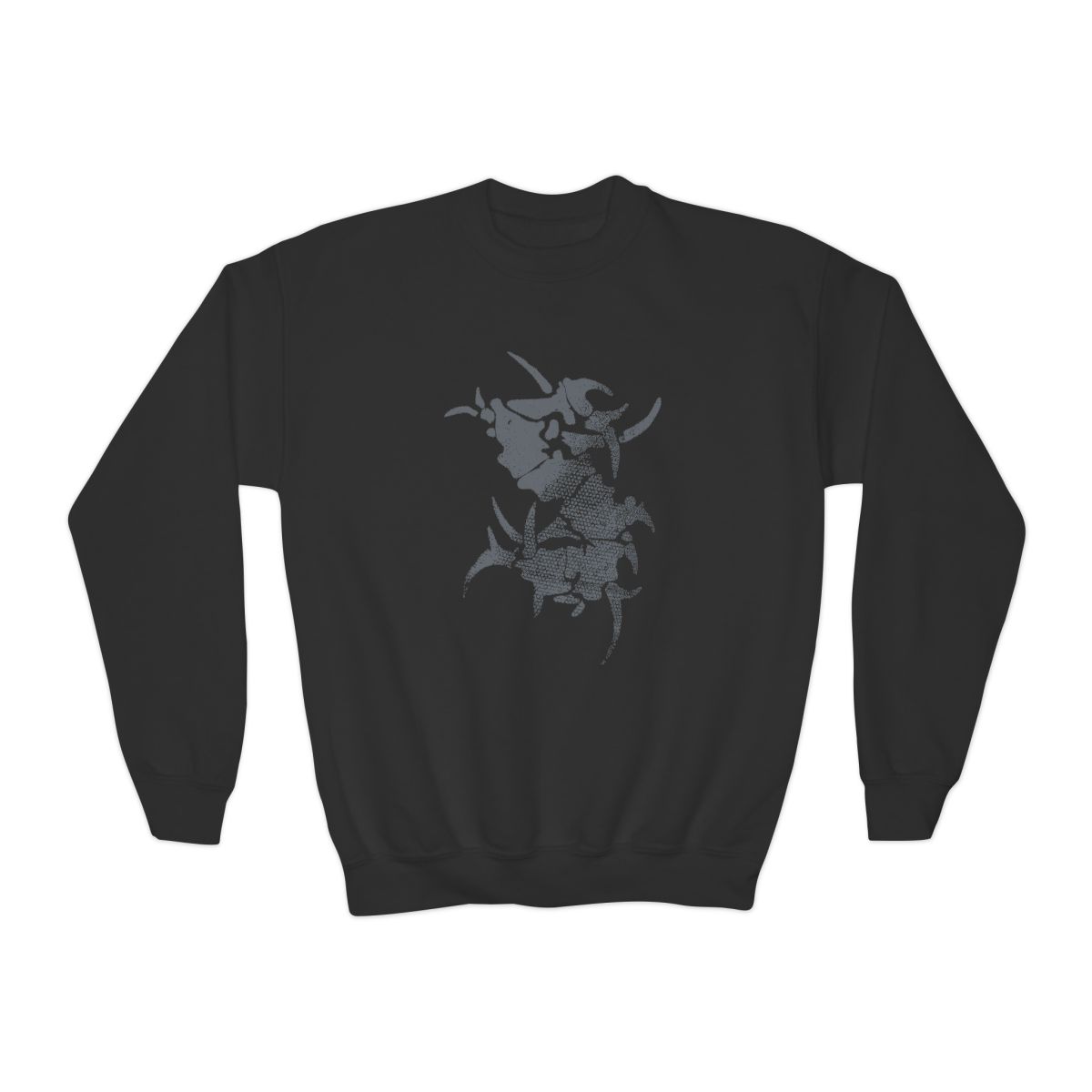
If you want something quieter, the glyph on its own works on almost anything. The Sepultura Grey Stone Glyph youth crewneck takes that S mark and gives it a carved, stone-grey look: heavy in spirit, easy to wear to school or on a cold weekend.
There is a kids' range too, from the green creature logo with round eyes and a fanged mouth to a red-and-green Christmas sweater design with the wordmark in the middle. For a young listener who has just found Chaos A.D. in a parent's collection, that is a fun place to start.
Who are The Marías, and where does their sound come from?
The Marías started in Los Angeles in 2016. María Zardoya, who is from Puerto Rico and grew up in Snellville, Georgia, was performing at the Kibitz Room inside Canter's Deli; Josh Conway was running sound. That meeting became a band. Today it is Zardoya on lead vocals and guitar, Conway on drums, percussion, keys and production, Jesse Perlman on guitar and Edward James on keyboards and synths.
The sound is indie and dream pop with a thread of psychedelic soul, and Zardoya sings in English and Spanish. That bilingual pull is the band's own kind of roots: not a place name on a sleeve, but a voice moving between two languages inside the same song list.
The records tell a steady climb:
- Superclean Vol. I (2017) and Superclean Vol. II (2018): the two EPs, with singles like "I Don't Know You" and "Cariño".
- Cinema (2021): the first album, nominated for a Grammy for Best Engineered Album, Non-Classical.
- Submarine (2024): reached No. 17 on the Billboard 200 and went Platinum, with "No One Noticed" climbing to No. 22 on the Hot 100.
Along the way the band also appeared as songwriters and featured artists on Bad Bunny's Un Verano Sin Ti, and was nominated for Best New Artist at the 68th Grammys.
Which Marías designs fit the mood?
Where Sepultura's range is loud and illustrated, The Marías' range is cinematic and soft-edged, which suits the music. The Cinema era gets the most attention:
- Cinema Poster: a film-poster design with a bob-haired figure in front of a coral oval.
- Cinema: tall black capitals above a framed black-and-white portrait.
- Cinema Script: one long, slanting brush script in pale sand.
That last one is the easiest to wear every day. The Cinema Script youth crewneck from The Marías keeps it simple, just the album name in a sweeping hand, so it goes with jeans, a skirt or a denim jacket thrown over the top.

Beyond Cinema, look at Three Horses (one outlined, one sketched, one solid black, above the name in serif letters), the Olive Spiral with the name at its centre, and the Red Script with the accent sitting proudly on the í. Small detail, but it matters: the band's name is The Marías, accent and all.
Which one is for you?
The two bands could hardly sound more different, but they share something useful when you are picking a piece: both wear their origins in plain sight.
- Choose Sepultura if you want artwork with weight: album names, the band's logo glyph, illustrations of skulls, demons and chaos. Best for the listener who knows the difference between Arise and Roots.
- Choose The Marías if you want something softer and more styled: film-poster art, brush script, a portrait in black and white. Best for the listener who has Submarine on repeat and switches between English and Spanish lyrics without thinking.
- For gifts, both ranges include kids' tees and a Christmas sweater design, so a family can match without anyone wearing the same thing.
Whichever you choose, you are wearing a story that started in a real place: a city in Minas Gerais, or a deli bar in Los Angeles. That is a good reason to pick a design, and a better reason to keep wearing it.